 +54 341-6005117
 contacto@mraingenieria.com.ar


-
Navigating B2B iGaming in Estonia’s Regulated Casino Market
Operators must understand regional licensing quirks. For Estonia's Gambling Tax Board approval, I've seen lead times stretch to four months. While many European igaming markets like Malta (MGA) share broad principles, Estonia enforces specific deposit rules and mandatory player activity checks. I wouldn't advise entering the Estonian casino sector without a local legal partner. Their regulators demand precise adherence. For practical guidance on regional expectations, many teams review https://turnkeycasino-ee.com/ before finalizing casino integration, especially when they need a reliable platform for regulated igaming launches, which can reduce surprises during onboarding, reporting, and regulator negotiations.
Choosing a B2B igaming platform means scrutinizing these core features. I test them all myself.
Many platforms miss these regulatory essentials. The casino software integration for Estonia often requires extra modules costing 5-10% more. A platform without built-in Estonian transaction reporting is a non-starter for me. It will create manual work nightmares.
Using a casino aggregator drastically reduces your initial development backlog. They pre-integrate games and handle jackpot feeds.
| Brand | Key Spec | Price Range | My Verdict |
|---|---|---|---|
| SOFTSWISS | 300+ providers | €5k-15k/month | Powerful but complex |
| iGamingPlatform | Specialist for Baltics | €2.5k-7k/month | Best for Estonia launch |
| EveryMatrix | Turnkey package | €10k+/month | Too costly for small ops |
I've run projects on all three. The monthly fee buys speed. iGamingPlatform's pre-approved Estonian game library cut my go-live time by eight weeks. That's a major cash-flow advantage over doing single-provider integrations.
Onboarding players in a regulated igaming market is a legal gauntlet. You need document verification, source-of-funds checks, and clear consent tracking. I learned this the hard way after a 2022 audit. Player friction increases dramatically here.
Your gambling contract isn't just a terms-of-service page; it's your primary legal shield in a player dispute. Draft it as such.
Estonian law mandates specific clauses. I now pay a local lawyer €2,000 to review each contract update, and it’s worth every euro. Sloppy onboarding leads to fines exceeding €50,000.
Tournaments are my go-to tool for retaining active players. I run them monthly. A simple leaderboard with a €5,000 prize pool can boost weekly deposits by 30%. The key is automation. You need a casino platform that handles scoring and payouts without manual admin.
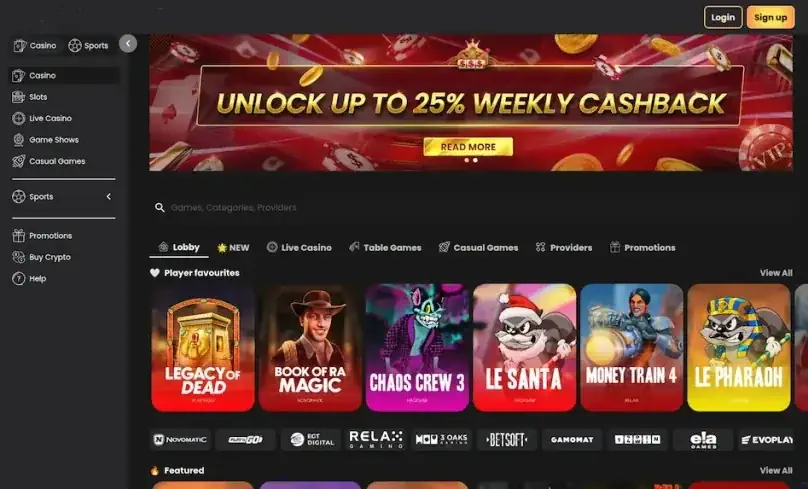
My data shows igaming tournaments must be accessible to small-deposit players, not just whales. I set entry fees as low as €1. This broadens participation and keeps daily active user numbers high. The ROI on a well-run tournament consistently beats generic reload bonuses.
Succeeding in Estonia requires these specific tactics.
My strategy evolved from failing to launch with a generic EU license. The Estonian regulator blocked my access because my player protection tools were deemed insufficient. You need bespoke solutions, not off-the-shelf packages.
Game selection defines your casino. I analyze performance monthly. NetEnt's slots have the highest player engagement, but BGaming offers better commercial terms for smaller Baltic igaming operators.
| Provider | Top Game | Avg. RTP | My Score |
|---|---|---|---|
| NetEnt | Dead or Alive II | 96.8% | 9/10 |
| BGaming | Plinko | 96.5% | 8/10 |
| Betsoft | Take Santa's Shop | 96.0% | 7/10 |
| Playtech | Gladiator | 95.6% | 6/10 |
Betsoft's 3D slots look great but underperform in my metrics. NetEnt's premium games justify their 40% revenue share, unlike Playtech's older catalogue. I wouldn't launch without BGaming's low-cost, high-volume games.
Growth requires a phased approach post-launch. First, stabilize your Estonian casino operation. Then target similar markets like Lithuania or Latvia for a Baltic igaming cluster. I learned this prevents spreading resources too thin. Each new EU country demands unique licensing and compliance tweaks.
My budget allocates €50,000 per new market for legal and integration work. A successful Estonian igaming base makes you more credible to regulators in neighboring countries. They see you understand strict oversight. Moving into Germany or the Netherlands is a different, far more expensive challenge.
Navigating the Gambling Tax Board's specific local requirements. Without a local legal partner, approval can be denied. Their mandatory player activity checks and deposit rules are non-negotiable.
Aggregators drastically reduce development time and cost. Platforms like iGamingPlatform offer pre-approved game libraries for Estonia. This approach cut my own go-live time by eight critical weeks.
No. Estonian law mandates specific clauses. I pay a local lawyer €2,000 to review each contract. A sloppy contract can lead to fines exceeding €50,000.
Very effective when executed correctly. My data shows a €5,000 prize pool can boost weekly deposits by 30%. The key is making them accessible to small-deposit players with entry fees as low as €1.
BGaming provides excellent value with better commercial terms for smaller operators. While NetEnt games have higher engagement, their 40% revenue share isn't always justified for a new market entry.
Stabilize your operation, then target similar markets like Lithuania or Latvia. This creates a cost-efficient Baltic igaming cluster. Each new country requires a budget of around €50,000 for legal and integration work.